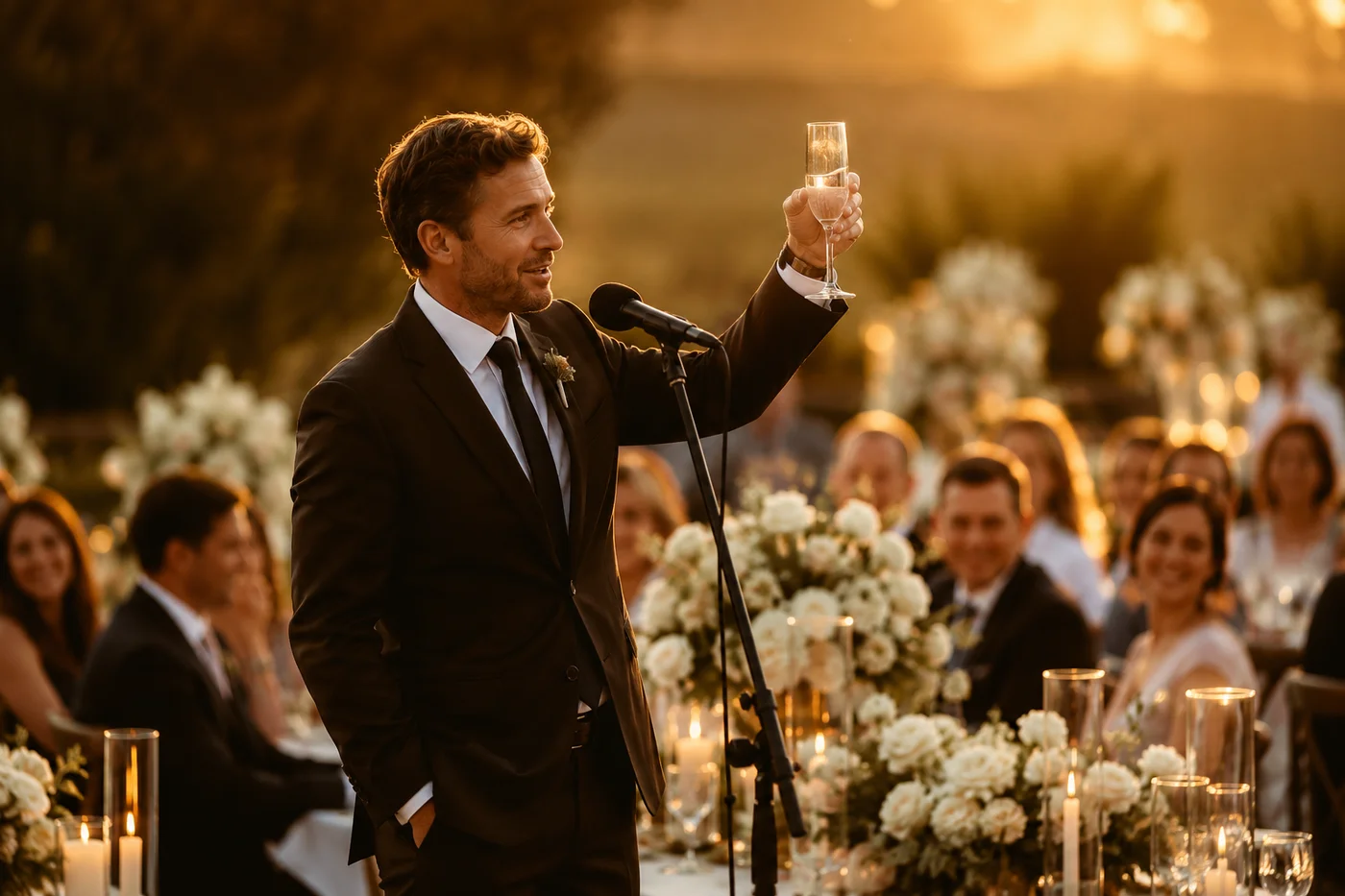
Summer is the most popular season to marry across most of the world, and South Africa is no exception. But where a Northern Hemisphere summer wedding is mostly about making the most of finally-warm weather after a long winter, a South African summer wedding comes with its own particular set of challenges: real heat, real humidity in the coastal regions, and genuinely dramatic afternoon thunderstorms that can turn a clear morning into a downpour by 4pm. None of this should put you off marrying in summer, it remains a beautiful season for a wedding, but it does mean planning with the season's real character in mind rather than assuming good weather is guaranteed.
Know Your Summer
South African summer runs roughly from November to February, with December and January typically the hottest months across most of the country. Outside of the Western Cape, which has a Mediterranean climate with dry summers and wet winters, the rest of South Africa experiences summer rainfall, meaning afternoon and early evening thunderstorms are common, particularly inland in Gauteng, Mpumalanga and parts of KwaZulu-Natal. If you're planning a destination wedding and inviting guests from overseas, it's worth spelling this out clearly, since visitors used to a dry Northern Hemisphere summer often arrive expecting consistent sunshine and are caught off guard by a sudden storm rolling in during the reception.
Choosing Your Ceremony Time
The single most effective way to manage summer heat is timing. A midday ceremony in December puts your guests, and you, directly under the harshest sun of the day, with temperatures that can climb uncomfortably high, particularly inland. Shift your ceremony to late afternoon, from around 4pm onward, when the heat has started to ease and the light turns warmer and more flattering for photographs. This also reduces the risk of getting caught in the more common early-to-mid-afternoon thunderstorm window, since storms in the summer-rainfall regions tend to build through the afternoon and often clear by early evening.
Have a Real Weather Backup Plan, Not a Vague One
Every outdoor summer wedding in South Africa needs an actual, funded, walked-through backup plan for rain, not just a hopeful assumption that it won't happen. This means confirming with your venue exactly what indoor or covered space is available, how quickly it can be set up if needed, and at what point on the day that decision needs to be made. Build a real trigger point into your planning, for example, agreeing with your coordinator that a decision on ceremony location will be made by a specific time based on the forecast, rather than waiting until guests are already seated outdoors and rain starts falling. A marquee or covered structure with clear sides is a worthwhile investment for any outdoor summer wedding, since it gives you shelter without sacrificing the outdoor feel and view you booked the venue for in the first place.
Keeping Guests Comfortable in the Heat
Guest comfort during a hot ceremony deserves real planning, not an afterthought fan on the welcome table. A few things make a genuine difference:
- Provide shade wherever the ceremony happens, whether that's natural tree cover, a marquee, or simple umbrellas if guests are seated in direct sun.
- Have water available and visible before guests are even seated, not just at the bar later. A simple table with jugs of iced water and glasses at the ceremony entrance goes a long way.
- Keep the ceremony itself reasonably short. Guests are far more forgiving of heat during a fifteen-minute ceremony than a forty-five-minute one.
- If you're providing paper fans as a small favour, put them to genuine use by placing them on chairs rather than leaving them as a purely decorative gesture.
- Warn guests in advance, through your invitation or wedding website, that the ceremony will be outdoors in the heat, so they can dress and prepare accordingly rather than being caught off guard.
Protecting the Bridal Party
The bride and groom often face the worst of the heat, standing in full formalwear for photographs that can run an hour or more in direct sun. Schedule photography either earlier in the day before the heat peaks, or take advantage of golden hour in the last hour before sunset, when the light is at its most flattering and the temperature has usually dropped from its midday high. Keep a small emergency kit on hand for the bridal party: blotting papers and a compact powder to manage shine in photographs, a change of comfortable shoes for anyone standing for extended periods, and cold water bottles kept out of guests' sightline but easily accessible between photo setups.
Managing Flowers and Food in the Heat
Heat is genuinely hard on both flowers and food, and both need adjustment for a summer wedding. Ask your florist which blooms hold up well in warm conditions; delicate flowers that wilt quickly in heat should either be avoided or kept refrigerated until the last possible moment before the ceremony. For catering, discuss with your venue or caterer how food will be kept at safe temperatures if service runs outdoors for any length of time, particularly for items like seafood, dairy-based dishes or anything meant to be served cold. A summer menu leaning toward lighter, fresher dishes, salads, grilled options, chilled starters, tends to suit the season better than a heavy winter-style menu anyway, and guests generally respond better to lighter food in genuine heat.
Dressing for the Season
Fabric choice matters more in a South African summer than couples often realise before their first fitting. Heavy structured fabrics like taffeta or thick satin trap heat and become genuinely uncomfortable over a full day of wear; lighter fabrics like chiffon, crepe or a lighter-weight lace breathe far better and hold up more comfortably through an entire hot day. The same applies to groomsmen's suits: a lighter-weight fabric and a looser cut will keep the whole wedding party more comfortable than a heavy formal suit designed with a colder climate in mind. If your bridal party is standing outdoors for photographs or a long ceremony, this decision genuinely affects how everyone looks and feels by the time the reception starts.
Lighting and Timing the Reception
Because summer days are longer, you have more flexibility with reception timing than a winter wedding allows. Sunset in South African summer typically falls between 6:30pm and 7:30pm depending on region, so an early evening ceremony can still catch beautiful natural light for photographs before the reception moves fully indoors or under cover. Plan lighting for the later part of the evening carefully regardless, since even a long summer day eventually gives way to full darkness, and outdoor receptions need proper lighting planned in from the start rather than added as an afterthought once the sun has already gone down.
Sun Protection Nobody Talks About
Sunburn is a genuinely common wedding-day problem that rarely gets planned for. A bride in a strapless dress or a groom in a short-sleeved shirt for engagement photos days before the wedding can end up with visible tan lines or, worse, sunburn by the actual ceremony. Plan any pre-wedding sun exposure, engagement shoots, a bachelor or bachelorette trip, beach time, with the wedding date in mind, and apply sunscreen properly and often in the run-up to the day, not just on the day itself. For the ceremony and reception, keep a small stock of sunscreen available for guests too, particularly if any part of the day happens in direct sun for an extended period; a simple basket near the entrance costs very little and guests genuinely appreciate the gesture, especially if they were not expecting to be outdoors as long as they end up being.
Insects and Other Small Practicalities
Summer evenings in South Africa, particularly near water, gardens or bushveld settings, bring insects, and mosquitoes in particular can turn a beautiful outdoor reception uncomfortable once the sun goes down. Citronella candles or torches placed strategically around the reception area are a simple, low-cost solution that also add nice ambient lighting. If your venue is in a malaria-risk region, this becomes a more serious consideration rather than just a comfort issue, and it's worth clearly communicating any relevant precautions to guests well ahead of the wedding date so they can plan accordingly.
A Final Word on Flexibility
The couples who handle a South African summer wedding best are the ones who go in expecting some unpredictability and build genuine flexibility into their plans, rather than couples who assume clear skies are guaranteed and panic if a storm rolls through. Brief your bridal party, your venue coordinator and your vendors on the backup plan well before the day itself, so that if the weather does turn, everyone already knows what happens next without needing a stressed, last-minute conversation in front of arriving guests. A wedding that adapts smoothly to a sudden downpour, moving indoors calmly, laughing about it rather than panicking, often becomes one of the most fondly remembered parts of the day. The weather is the one thing entirely outside your control on your wedding day; how well you've planned for it is entirely within yours.

What Wedding Apps Are Trending Now (And Which Ones Skip ZAR Entirely)

What Happens If It Rains On Your Wedding Day? A South African Rain-Plan Guide

How Much Does a Wedding Cost in South Africa? (2026 Budget Breakdown)
Huweliksbeampte in Suid-Afrika: Wie Mag Jou Wettig Trou
Bruidsmeisie Toespraak: Hoe om Dit met Hart te Doen