Most South African couples default to a summer wedding almost without thinking about it, warm evenings, long golden-hour light, guests happy to be outdoors. But winter, roughly June to August here, has quietly become one of the smartest times of year to get married, and not just because it's currently fashionable overseas. Here's what you actually need to know if you're considering it, from the real cost savings to the practical planning shifts that make the difference between a magical winter celebration and a beautiful venue full of shivering guests.
1. It Will Save You a Meaningful Amount of Money
This is the single biggest reason couples choose a winter wedding, and it's not a small saving. Venues, caterers and many other vendors treat South African summer, particularly the November to March window, as peak season, and price accordingly. Booking a winter date can unlock significantly reduced venue hire rates, off-season vendor specials, and considerably more negotiating room than you'd have competing for a prime summer Saturday. If budget is a genuine concern, shifting your date to winter is one of the most effective single changes you can make to your overall spend, often more impactful than trimming your guest list or menu.
2. Venues Are Easier to Book, and You Have More Choice
Popular venues fill up a year or more in advance for summer dates, particularly during December and over long weekends. Winter availability is far more forgiving, meaning you have a genuinely wider selection of venues to choose from and more flexibility on your preferred date, including weekday options that would be nearly impossible to secure at a sought-after venue during peak season.
3. The Light Is Different, and Many Photographers Love It
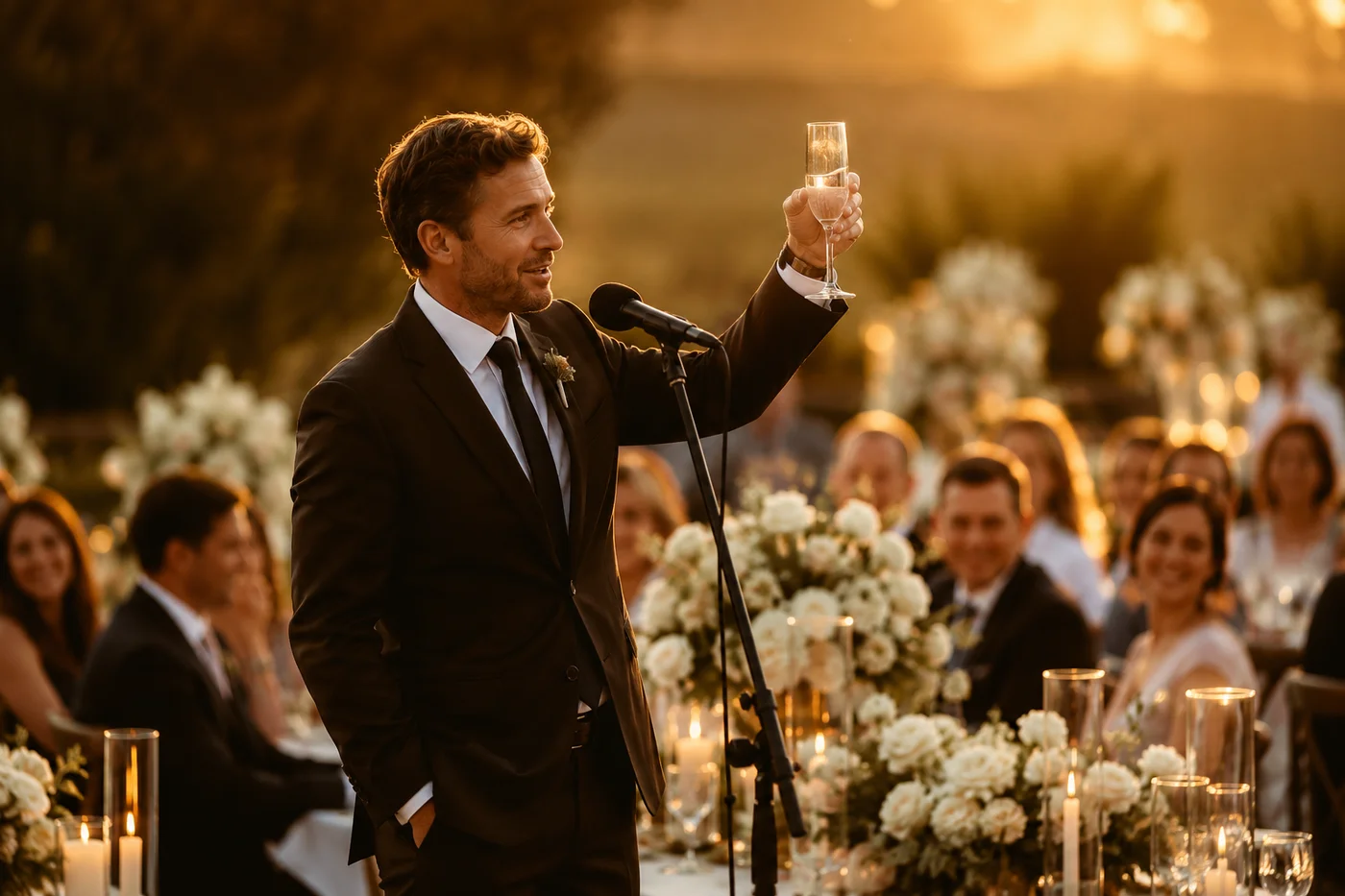
South African winter days are typically clear, crisp and dry across much of the country, particularly inland, and the lower winter sun produces a softer, longer golden hour than the harsh overhead light of a midday summer wedding. Photographers often describe winter light as more flattering and easier to work with precisely because the sun sits lower in the sky for more of the day, reducing harsh shadows and squinting in outdoor photos. If you're set on outdoor photography, ask your photographer about their preferred time of day for a winter shoot, since the shorter days mean your timeline will need to shift earlier than a summer wedding.
4. You'll Need to Plan Around the Weather, Not Against It
Winter in most of South Africa is dry season, particularly across the interior, Gauteng, the Free State and much of the Karoo, which actually reduces your risk of a rained-out ceremony compared with a summer wedding during thunderstorm season. The Western Cape is the notable exception, since its rainy season runs through winter, so a Cape Town or Winelands winter wedding needs a genuine wet-weather contingency plan, an indoor backup space or a covered marquee, in a way that an inland winter wedding generally doesn't. What you will need to plan for almost everywhere is cold evenings: patio heaters, blankets for outdoor seating, and a warm indoor space for guests once the sun goes down, since winter evenings cool quickly after dark.
5. Your Guest Experience Needs a Different Kind of Thought
A winter wedding asks something different of your planning than pure aesthetics. Think through the entire guest journey with temperature in mind: is there a warm space for the ceremony if it's held early evening? Are there heaters or fire pits for any outdoor cocktail hour? Is the reception venue properly heated, not just decoratively lit? Guests who are cold and uncomfortable won't enjoy your beautiful winter venue no matter how well it photographs, so build warmth into your planning as seriously as you'd build shade and hydration into a summer wedding.
6. The Menu and Drinks Should Shift With the Season
Winter is the perfect excuse to move away from the light salads and chilled canapés that dominate summer wedding menus toward warmer, heartier options: rich stews, roasted vegetables, mulled wine or spiced cider as a welcome drink, and a proper hot soup course that would feel out of place at a summer wedding but lands beautifully in winter. Guests genuinely appreciate food and drink that matches the season rather than a menu that ignores the temperature outside, and a warming welcome drink handed out as guests arrive does a lot to set a cosy, considered tone from the very start of the evening.
Why Do So Many Couples Default to Summer Anyway?
The preference for summer weddings has deep roots, tracing back to European traditions where marrying in June was considered auspicious, partly for religious reasons and partly for the practical, if slightly grim, calculation that a summer wedding meant a spring birth the following year, better odds for infant survival in eras with far higher infant mortality. None of that logic has any bearing on modern South African life, yet the summer wedding default has persisted simply through cultural habit rather than any genuine advantage specific to our climate or circumstances.
Who Winter Weddings Suit Best
Winter weddings tend to suit couples who prioritise budget and venue flexibility over guaranteed warm-weather comfort, who love the aesthetic of a cosy, candlelit, layered winter styling over bright summer florals, or who simply want to avoid the crowded venue calendar and inflated pricing of peak season. If you're drawn to a more intimate, atmospheric wedding with warm lighting, rich colours and a genuinely different feel from the summer weddings most of your guests have likely attended before, winter offers a distinct aesthetic advantage on top of the practical savings.
What to Tell Your Guests
Because a winter wedding is still less common than a summer one, it's worth being explicit on your invitation or wedding website about what guests should expect: appropriate dress for cold weather, whether the ceremony and reception are indoors or exposed to the elements, and any practical notes (parking distance from an entrance, whether there's a coat check) that help your guests actually plan for comfort. A little extra communication here goes a long way toward guests arriving properly prepared rather than shivering through your ceremony in summer-weight clothing because nobody warned them.
Styling a Winter Wedding Well
Winter opens up a styling palette that summer weddings rarely use to full effect: deep jewel tones, burgundy, forest green, navy and gold, layered candlelight, and rich textures like velvet, faux fur throws and heavier florals such as amaryllis, ranunculus and dark dahlias. Leaning into the season's own aesthetic, rather than trying to force a bright, summery colour palette into a cold-weather event, tends to produce a far more cohesive, atmospheric result and photographs beautifully against the softer winter light discussed earlier.
What to Ask Venues Specifically About Winter
Not every venue that looks stunning in its summer marketing photos is set up well for a winter event. Before booking, ask directly: is there adequate indoor heating, or only decorative fireplaces that won't actually warm a large room? Are outdoor spaces usable after dark with heating equipment, or does the venue expect guests to move fully indoors once the sun sets? What time does natural light actually disappear on your chosen date, since winter sunsets can be considerably earlier than couples expect, sometimes before 6pm across much of the country? Getting clear answers to these questions before signing a contract avoids an unpleasant surprise on the day itself. It's also worth asking whether the venue offers a genuine off-peak discount for winter bookings specifically, since some venues quietly apply this only if you ask rather than advertising it upfront.
Dressing for a Winter Wedding
Brides marrying in winter have more room to consider long sleeves, richer fabrics like satin, crepe or velvet, and a dress designed to be paired with a wrap, cape or jacket for outdoor photos, all without looking out of place the way these choices might at a summer wedding. Grooms and groomsmen can lean into heavier suiting fabrics and darker tones that would feel overly warm in summer but suit the season and the richer winter colour palette beautifully. If your ceremony includes any outdoor component, factor a few minutes of genuine cold exposure into your planning and dress, or at least have a coat ready, accordingly.
Final Thought
A winter wedding in South Africa isn't a compromise or a consolation prize for couples who couldn't get their preferred summer date. Done thoughtfully, with proper attention to warmth, lighting and a menu that matches the season, it offers genuine advantages: real savings, wider venue choice, flattering photography light, and a distinctive, cosy atmosphere that plenty of couples end up preferring to the summer wedding they might otherwise have defaulted to without a second thought. If you've been assuming summer is simply the "correct" time to marry in South Africa, it's worth at least pricing out a winter date before you commit, the numbers alone are often enough to change a couple's mind, and the venue you end up loving most might be one you'd never have considered under summer pricing.

What Wedding Apps Are Trending Now (And Which Ones Skip ZAR Entirely)

What Happens If It Rains On Your Wedding Day? A South African Rain-Plan Guide

How Much Does a Wedding Cost in South Africa? (2026 Budget Breakdown)
Huweliksbeampte in Suid-Afrika: Wie Mag Jou Wettig Trou
Bruidsmeisie Toespraak: Hoe om Dit met Hart te Doen